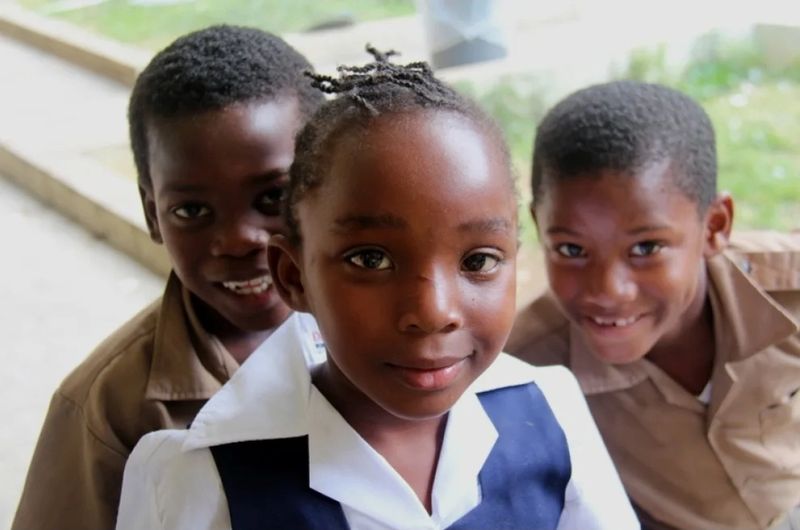
The Faces of Educational Inequity in Rural Jamaica
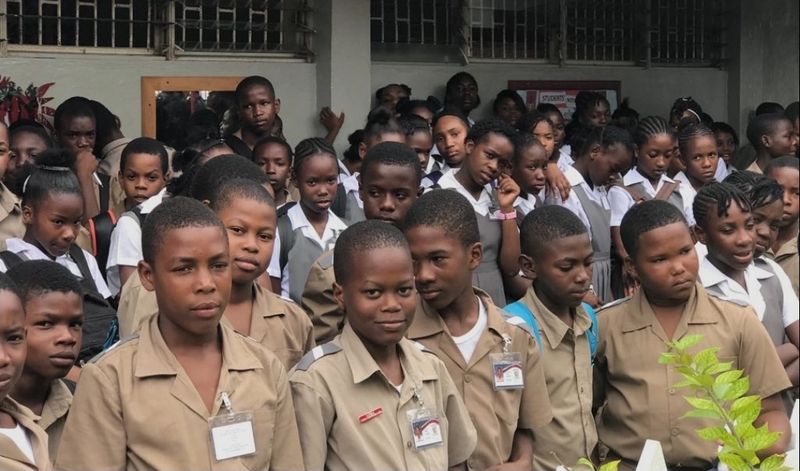
In rural St. Ann, many students reach Grade 4 still unable to decode simple words or read a complete sentence. Without phonemic awareness and phonics instruction, foundational reading never takes root — and every subsequent subject becomes inaccessible. Research confirms that children who are not reading proficiently by Grade 3 are four times more likely to drop out of school.
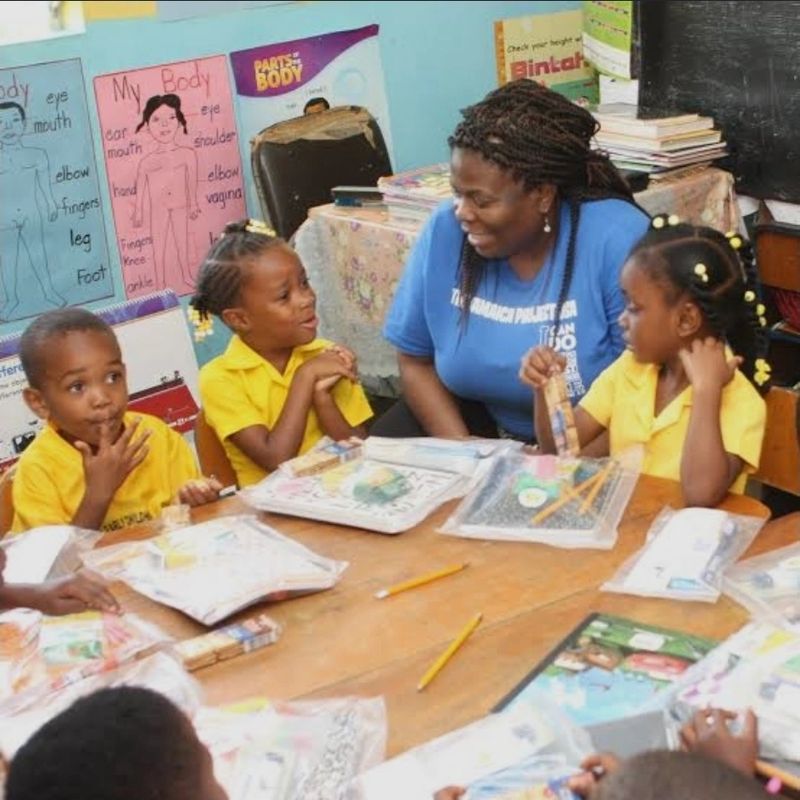
A significant proportion of primary school students in Jamaica's rural communities cannot perform basic arithmetic — addition, subtraction, or multiplication — by the time they enter secondary school. Without number sense and foundational operations, higher-order concepts like algebra and geometry remain completely out of reach, limiting future academic and career pathways.
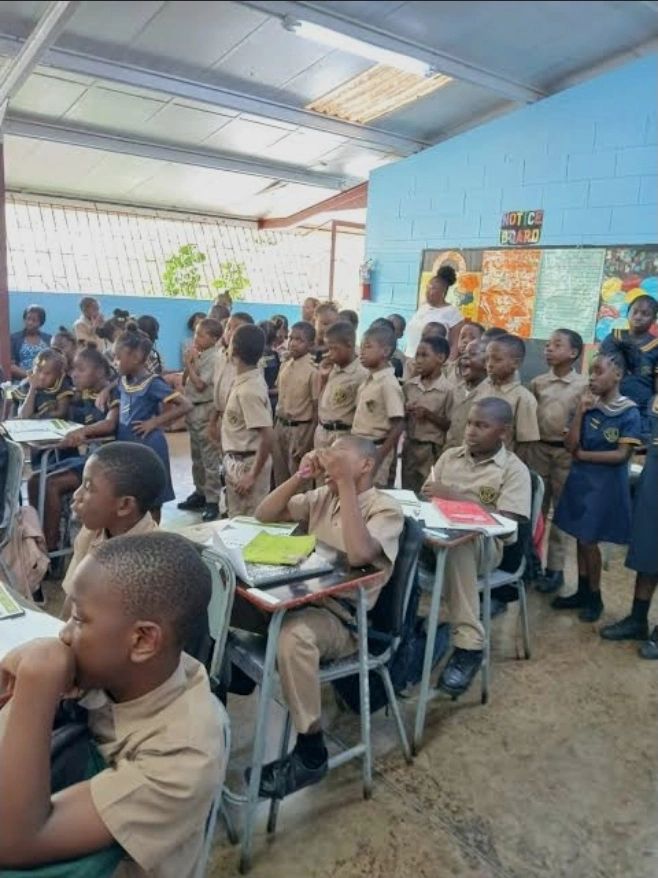
Schools in the Dry Harbour Mountains region are chronically underfunded. Textbook shortages, overcrowded classrooms, and a high teacher turnover rate mean that students rarely receive consistent, quality instruction. Many schools lack basic infrastructure — reliable electricity, internet access, and adequate learning materials — further deepening the disadvantage facing rural learners.
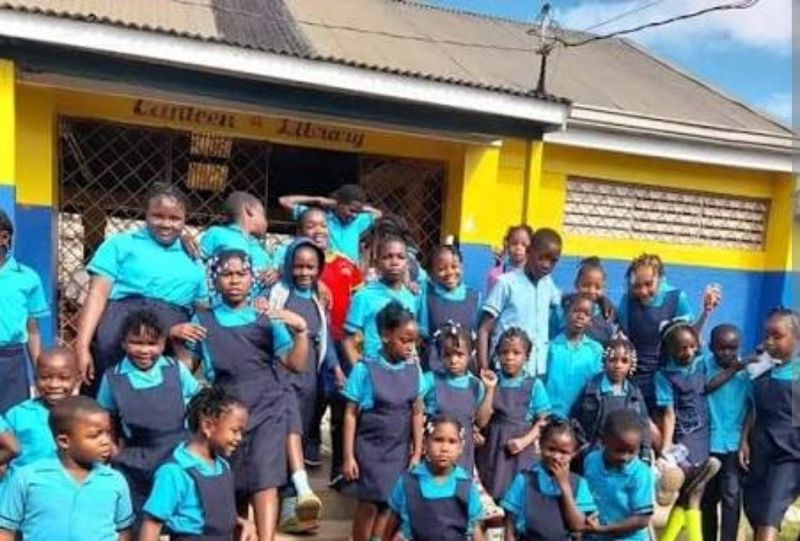
Rural schools in Jamaica face a persistent crisis of qualified teacher shortages. Remote communities like Nine Mile District struggle to attract and retain trained educators. A single teacher is often responsible for multiple grade levels simultaneously, making differentiated instruction virtually impossible and leaving struggling students with little to no individual support.
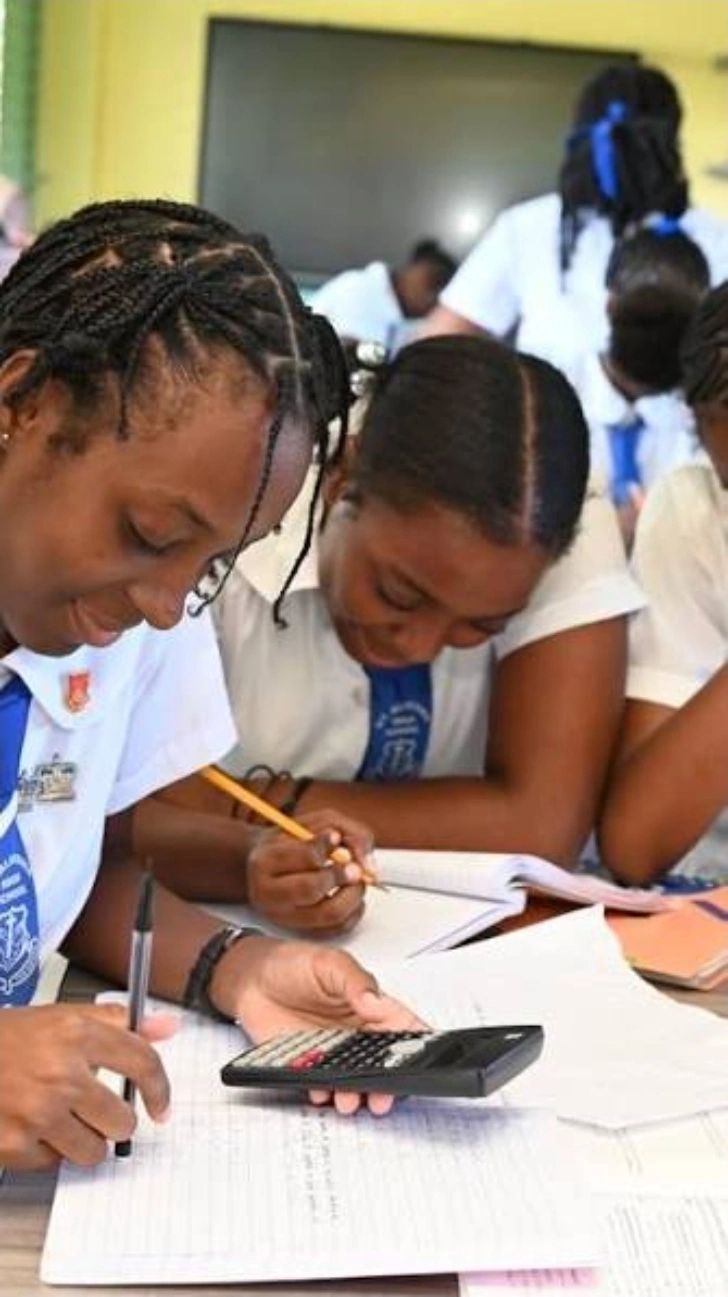
Jamaica's education system promotes students based on age rather than demonstrated academic ability. This means children advance through grade levels without ever mastering foundational skills. By secondary school, many students are operating at a Grade 2 or Grade 3 level — an invisible gap that grows wider each year without targeted, evidence-based intervention.
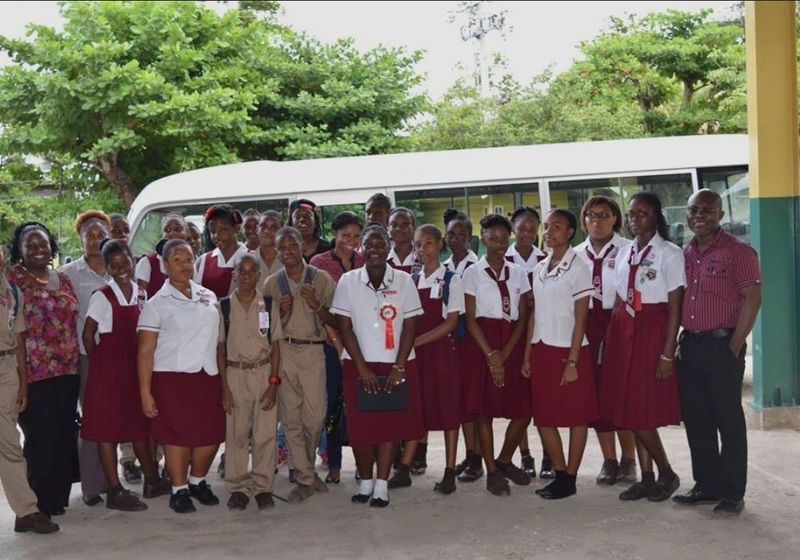
Poverty in rural Jamaican communities creates compounding barriers to education. Many children miss school due to work obligations, lack of transportation, or the need to care for younger siblings. Families living in poverty cannot afford tutoring, workbooks, or internet access. Parents — many of whom are themselves functionally illiterate — are unable to provide academic support at home.
Educational Inequities in Rural Jamaica: A Systemic Crisis
What People Say About Our Literacy and Numeracy Support Programs
Accelerated Literacy and Numeracy Tutoring You Can Trust
Tailored In-Person Sessions for Effective Learning
One-on-one focused instruction to boost student confidence.
Experienced tutors passionate about student success.
Flexible scheduling to accommodate busy lives.
Evidence-based strategies tailored to each learner.
Supportive environment fostering academic growth.

Functional Illiteracy: The Invisible Crisis
Across Jamaica's rural communities, thousands of students pass through the education system without ever truly learning to read or calculate. This hidden crisis goes largely undetected until it is too late — and its consequences ripple across families, communities, and generations. Functional illiteracy is not a personal failure; it is the systemic result of under-resourced schools, inconsistent teaching, age-based promotion, and the absence of targeted early intervention. In Nine Mile District and the surrounding Dry Harbour Mountains, this crisis is visible in every classroom — and every child left behind represents a life of constrained opportunity.
Only 30% of students in rural areas achieve grade-level literacy skills.
Less than 40% demonstrate proficiency in numeracy by the end of primary school.
Students in Dry Harbour Mountains are three times more likely to struggle with basic math and reading than their urban counterparts.
Approximately 50% of parents report needing additional educational support for their children.